
How Accurate Records Protect Taxpayers and Improve City Services
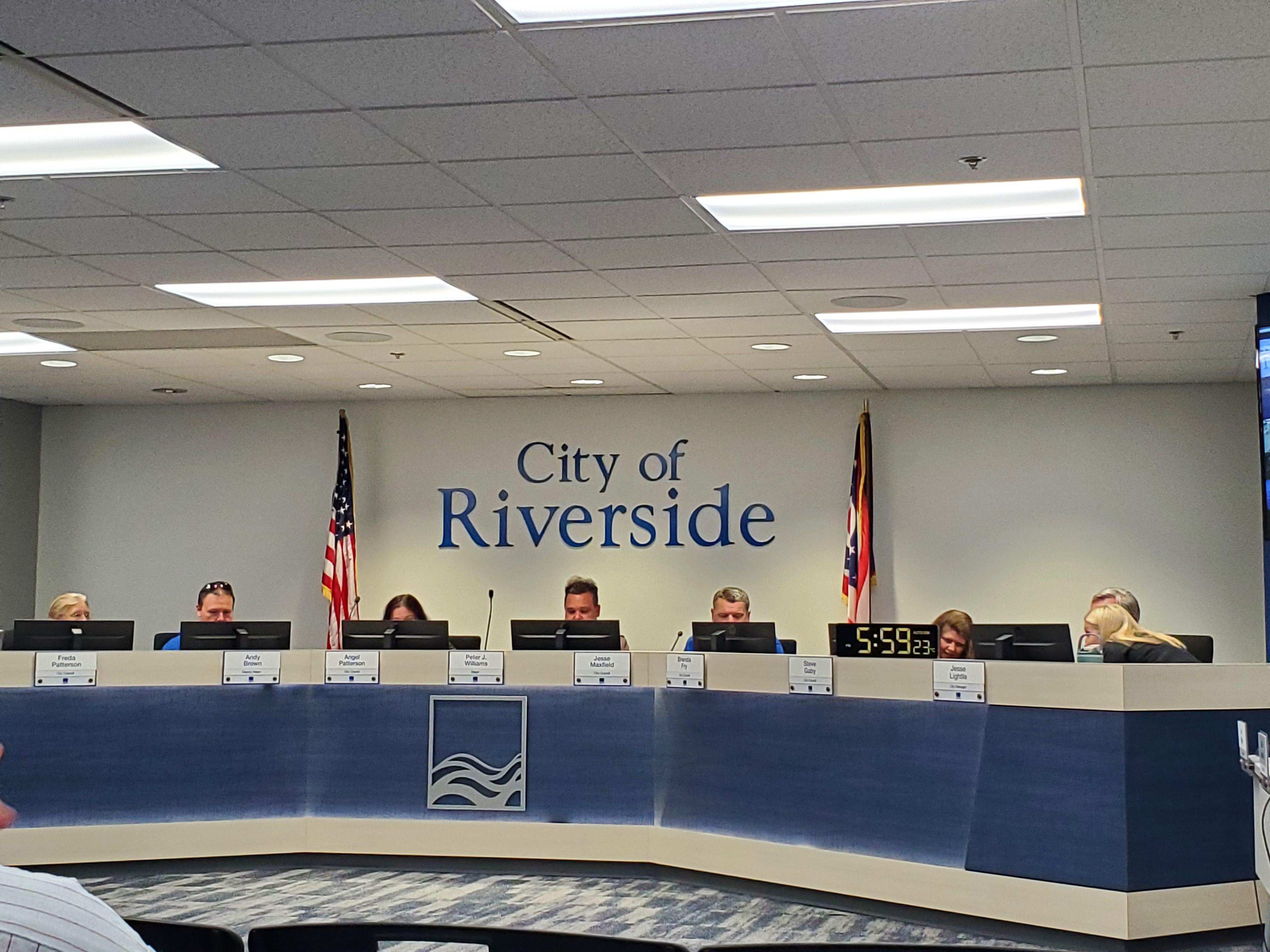
The Riverside City Council meeting on June 15 provided one of the most interesting examples I have seen so far of how local governments rely on accurate records, audits, and verification processes to serve residents effectively.
With eight residents in attendance and a meeting livestreamed on YouTube, Council worked through a variety of financial, operational, and infrastructure-related topics. However, several discussions stood out because they highlighted the importance of accuracy, transparency, and accountability in local government.
Auditor Records Play a Larger Role Than Most Residents Realize
One of the most fascinating discussions involved Riverside’s trash collection program.
When the City initially prepared for its transition to municipal trash billing, officials started with an estimated count of 6,421 residential units. However, staff later conducted a comprehensive review using Montgomery County Auditor parcel records, GIS mapping tools, aerial imagery, zoning records, site visits, and address verification processes. That review ultimately identified 7,319 residential units receiving service.
City staff explained that they continue to verify accounts through ongoing audits and field reviews to ensure billing accuracy.
What impressed me most was not simply the correction itself.
It was the process.
Rather than relying on assumptions, Riverside verified the information, identified discrepancies, corrected the records, and updated the billing system accordingly.
That level of review protects both taxpayers and the City.
Internal Audits Help Prevent Incorrect Charges
Another discussion demonstrated the importance of auditing public records.
Council considered revisions to nuisance abatement assessments previously certified to the Montgomery County Auditor because of clerical errors and duplicate charges.
While mistakes can occur in any system, the willingness to review records, identify issues, and make corrections helps ensure residents are treated fairly.
That commitment to accuracy benefits everyone.
Supplemental Appropriations Receive Additional Review
At the beginning of the meeting, a Council Member requested that supplemental appropriations be separated into individual components rather than considered as a single package.
Council agreed and divided Ordinance 26-O-882 into three separate sections for review and discussion.
I appreciated this approach because it provided greater clarity regarding the purpose of each appropriation.
When public funds are involved, additional transparency and discussion help residents better understand how money is being allocated.
Cannabis Revenue Creates New Opportunities
One of the most interesting conversations of the evening involved approximately $698,000 received through Ohio’s Host Community Cannabis Fund.
Because this funding source is relatively new, Council spent considerable time discussing how those funds might best serve the community. Discussions included:
- Residential road improvements
- Police staffing
- Fire and EMS staffing
- Public safety investments
- Future capital improvement planning
The Law Director also discussed the importance of establishing clear documentation and project planning before appropriating the funds, helping ensure compliance with audit standards and state law.
What became clear is that Riverside leaders are approaching this decision carefully rather than rushing to spend the funds immediately.
Recognition for Transparency and Public Engagement
The meeting began with two significant recognitions.
First, the City received a Government Finance Officers Association (GFOA) award for excellence in budgeting, financial transparency, and public communication. City officials noted that Riverside’s detailed Budget Book played a major role in receiving the award.
Second, the City Clerk received a Program Excellence in Governance Award (PEGA) for the Citizens Academy program, which helps residents learn how local government operates and encourages civic engagement.
Both awards reflect a commitment to transparency and public education.
Grant Opportunities Continue to Leverage Local Dollars
Another positive discussion involved pursuing grant funding for Fire Department needs.
Officials discussed opportunities that could potentially secure approximately $400,000 in equipment and improvements while requiring only a 10% local match.
This type of grant strategy allows communities to maximize available resources and bring outside funding back into the community whenever possible.
Final Thoughts
Every meeting teaches something different.
What stood out in Riverside was the emphasis on verification, auditing, documentation, and transparency.
City staff demonstrated how they use Montgomery County Auditor records to verify service accounts.
Council reviewed corrections to previously certified assessments.
Officials discussed the importance of documenting future spending decisions.
And the City received recognition for financial transparency and public engagement.
For someone attending local government meetings throughout Montgomery County, it was encouraging to see a community focused on accuracy, accountability, and making sure the numbers are right.
Because good decisions start with good data.