
Local Issues, Growth & What It Means for Taxpayers
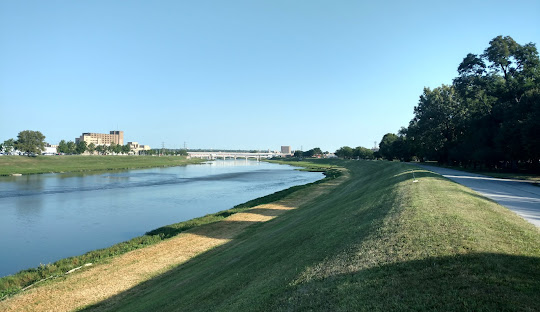
Miamisburg Ohio combines strong historic identity with river and valley geography that continues to shape development decisions today. Because of its river-adjacent location and established downtown district, Miamisburg balances legacy neighborhoods with newer development patterns and visible reinvestment initiatives.
As the city advances riverfront improvements and community programming, infrastructure timing and fiscal discipline remain essential. Residents benefit from understanding how floodplain considerations, redevelopment efforts, and capital planning intersect with long-term sustainability.
Unique attributes
Miamisburg Ohio combines strong historic identity with river and valley geography that continues to shape development decisions today. Because of its river-adjacent location and established downtown district, Miamisburg Ohio balances legacy neighborhoods with newer development patterns and visible reinvestment initiatives.
As the city advances riverfront improvements and community programming, infrastructure timing and fiscal discipline remain essential. Residents benefit from understanding how floodplain considerations, redevelopment efforts, and capital planning intersect with long-term sustainability.
Challenges
However, river-adjacent communities face specific infrastructure pressures.
- Floodplain management and storm event mitigation
- Drainage system upgrades
- Balancing redevelopment costs with infrastructure capacity
- Aligning neighborhood expectations with capital budgets
When heavy rainfall or storm events occur, drainage systems must function effectively. Consequently, long-term stormwater planning becomes a critical governance priority.
At the same time, redevelopment initiatives can increase infrastructure demands. Therefore, leaders must evaluate whether streets, utilities, and storm systems can support new investment without straining existing neighborhoods.
Because residents value both historic character and reinvestment, city officials must communicate how infrastructure improvements support long-term resilience.
Financial situation
Miamisburg maintains a strong record of financial reporting transparency. The city publishes an Annual Comprehensive Financial Report (ACFR) archive and files audited ACFR reports through the Ohio Auditor of State.
In addition, city materials reference recognition history through the Government Finance Officers Association (GFOA) Certificate of Achievement program. While awards do not replace fiscal discipline, they signal consistent reporting standards and adherence to best practices.
Residents can review ACFR documentation to examine:
- Revenue composition
- Capital improvement funding
- Stormwater and infrastructure investments
- Debt management
- Reserve levels and fiscal outlook
Because Miamisburg undertakes visible reinvestment projects, alignment between capital scheduling and revenue growth remains critical. Transparent reporting allows residents to evaluate how riverfront improvements and downtown revitalization fit within long-term fiscal capacity.
Click HERE for Miamisburg Official website
Prevailing issues to track
Looking ahead, infrastructure timing and redevelopment pacing remain central considerations.
- Downtown and riverfront reinvestment scheduling
- Street and stormwater capital improvement timing
- Coordinating mitigation planning with redevelopment
- Maintaining fiscal balance during active growth phases
When redevelopment accelerates, capital projects must align with infrastructure readiness. Therefore, proactive scheduling reduces the risk of reactive spending.
Moreover, river-adjacent geography requires ongoing monitoring. Effective stormwater management protects both public infrastructure and private property.
Final Thoughts
Miamisburg demonstrates how historic identity and geographic context shape governance priorities. While riverfront development and community programming drive visible progress, infrastructure timing and fiscal discipline determine long-term sustainability.
Ultimately, transparent reporting, careful capital scheduling, and proactive stormwater planning support resilient growth. When Miamisburg aligns redevelopment with infrastructure capacity, it strengthens both economic vitality and community stability.