
Local Issues, Growth & What It Means for Taxpayers
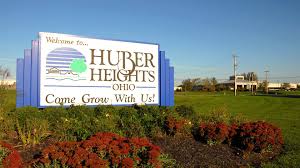
Huber Heights Ohio stands as one of Montgomery County’s largest residential communities, known for steady commercial expansion and strong regional convenience. Because of its size and location, Huber Heights often positions itself as a balance of value and accessibility within the county.
As development continues along key corridors, growth management and infrastructure timing remain central to long-term sustainability. Residents benefit from understanding how commercial expansion, service demands, and fiscal planning intersect in a community with both residential scale and economic momentum.
Unique attributes
Huber Heights carries several defining strengths.
- Large residential base
- Steady commercial and corridor development
- Regional positioning focused on value and convenience
- Significant growth attention near major routes
Because the city maintains a broad housing base, service delivery operates at substantial scale. In addition, corridor development supports commercial vitality and diversifies revenue streams.
This combination allows Huber Heights to remain competitive within the region while supporting established neighborhoods.
Challenges
However, steady growth introduces predictable governance pressures.
- Increased demand on roads and traffic systems
- Rising service expectations for police and fire
- Infrastructure timing challenges
- Balancing residential compatibility with commercial expansion
As new projects move forward, service calls often increase accordingly. Consequently, leaders must evaluate whether staffing levels and facility capacity align with projected growth.
Moreover, corridor traffic can accelerate road wear. Therefore, infrastructure scheduling must anticipate development patterns rather than react to them.
When development outpaces infrastructure readiness, public frustration may grow. Clear sequencing and transparent communication reduce that risk.
Financial situation
Huber Heights maintains publicly archived Annual Comprehensive Financial Reports (ACFRs). The city also files audited ACFR documentation through the Ohio Auditor of State, providing an additional layer of oversight.
Residents can review budget materials to examine:
- Income tax revenue patterns
- Property tax contributions
- Fee-based revenue sources
- Year-over-year revenue changes
- Capital improvement allocations
Because the city relies on a combination of income tax, property tax, and fees, revenue diversification plays an important role in fiscal stability. Additionally, year-over-year deltas help residents evaluate whether growth translates into sustainable revenue gains.
Transparent reporting allows stakeholders to assess how infrastructure investments align with commercial expansion and residential service demands.
Click HERE for Huber Heights Official website
Prevailing issues to track
Looking ahead, growth management will likely remain central to governance.
- Development agreements and infrastructure cost-sharing
- Public safety staffing and facility planning
- Roadway improvements tied to corridor expansion
- Balancing new investment with neighborhood stability
As development agreements emerge, residents may examine how infrastructure costs distribute between private developers and public funding sources. Therefore, cost-sharing transparency becomes essential.
In addition, public safety staffing levels must keep pace with population and commercial growth. Strategic facility planning supports long-term service reliability.
Final Thoughts
Huber Heights illustrates how large residential communities navigate steady commercial expansion. While growth strengthens economic opportunity, infrastructure timing and service planning determine whether expansion remains sustainable.
Ultimately, disciplined fiscal management, transparent reporting, and proactive infrastructure coordination support long-term stability. When Huber Heights aligns development agreements with public capacity, it protects both community value and regional competitiveness.