
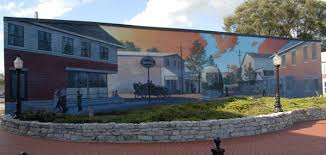
Local Issues, Growth & What It Means for Taxpayers
Englewood Ohio serves as a northwest Montgomery County anchor, known for strong neighborhood fabric, parks, and recreation identity. Because of its established residential base and corridor commercial presence, Englewood Ohio balances family-oriented services with steady economic activity.
As infrastructure ages and service costs rise, fiscal planning and capital maintenance remain central to long-term stability. Residents benefit from understanding how stormwater systems, roadway maintenance, and budget resilience intersect within a mature suburban setting.
Unique attributes
Englewood carries several defining characteristics.
- Strong neighborhood identity
- Active parks and recreation programming
- Residential stability with corridor commercial support
- Appeal to families and retirees alike
Because the city emphasizes quality-of-life amenities, leadership often prioritizes park maintenance and neighborhood services. In addition, corridor commercial areas provide supplemental economic activity that supports municipal revenue.
This balance between residential stability and commercial presence shapes governance priorities.
Challenges
However, mature suburban communities face predictable cost pressures.
- Rising materials and equipment costs
- Wage growth affecting service budgets
- Vehicle replacement cycles for public works and safety fleets
- Aging stormwater and subdivision infrastructure
As infrastructure systems age, maintenance demands increase. Consequently, leaders must schedule capital projects carefully to avoid reactive spending.
Moreover, older subdivisions often require updated drainage solutions. Therefore, stormwater investment planning becomes essential to protect both property and public assets.
When costs rise faster than revenue growth, budgeting discipline becomes even more important.
Financial situation
Englewood Ohio maintains transparent financial reporting through regular oversight by the Ohio Auditor of State. A standard audit for the fiscal year ended December 31, 2024 remains publicly available.
Residents can review audit documentation to evaluate:
- Revenue composition
- Expenditure trends
- Capital maintenance allocations
- Compliance findings
- Fiscal position indicators
Because Englewood relies in part on income tax revenue, economic cycles can influence budget resilience. Therefore, maintaining reserves and aligning capital schedules with revenue projections supports long-term stability.
Clear reporting practices allow residents to understand how maintenance planning and service delivery align with available funding.
Click HERE for Englewood Official website.
Prevailing issues to track
Looking ahead, capital maintenance planning will likely remain a key focus.
- Street rehabilitation scheduling
- Stormwater system upgrades
- Fleet replacement timing
- Budget resilience during periods of economic softness
As infrastructure ages, proactive scheduling prevents larger disruptions later. Therefore, steady capital investment often supports fiscal predictability.
Additionally, income-tax sensitivity may influence budget conversations during economic downturns. When leaders communicate clearly about revenue trends and reserve positioning, residents gain confidence in long-term planning.
Final Thoughts
Englewood illustrates how mature residential communities maintain stability through disciplined capital planning and transparent reporting. While growth pressures may not match rapidly expanding areas, infrastructure replacement cycles still require careful coordination.
Ultimately, strong neighborhood identity combined with proactive fiscal management supports long-term resilience. When Englewood aligns maintenance schedules with revenue capacity and communicates clearly, it reinforces both community confidence and service reliability.