
March 2, 2026
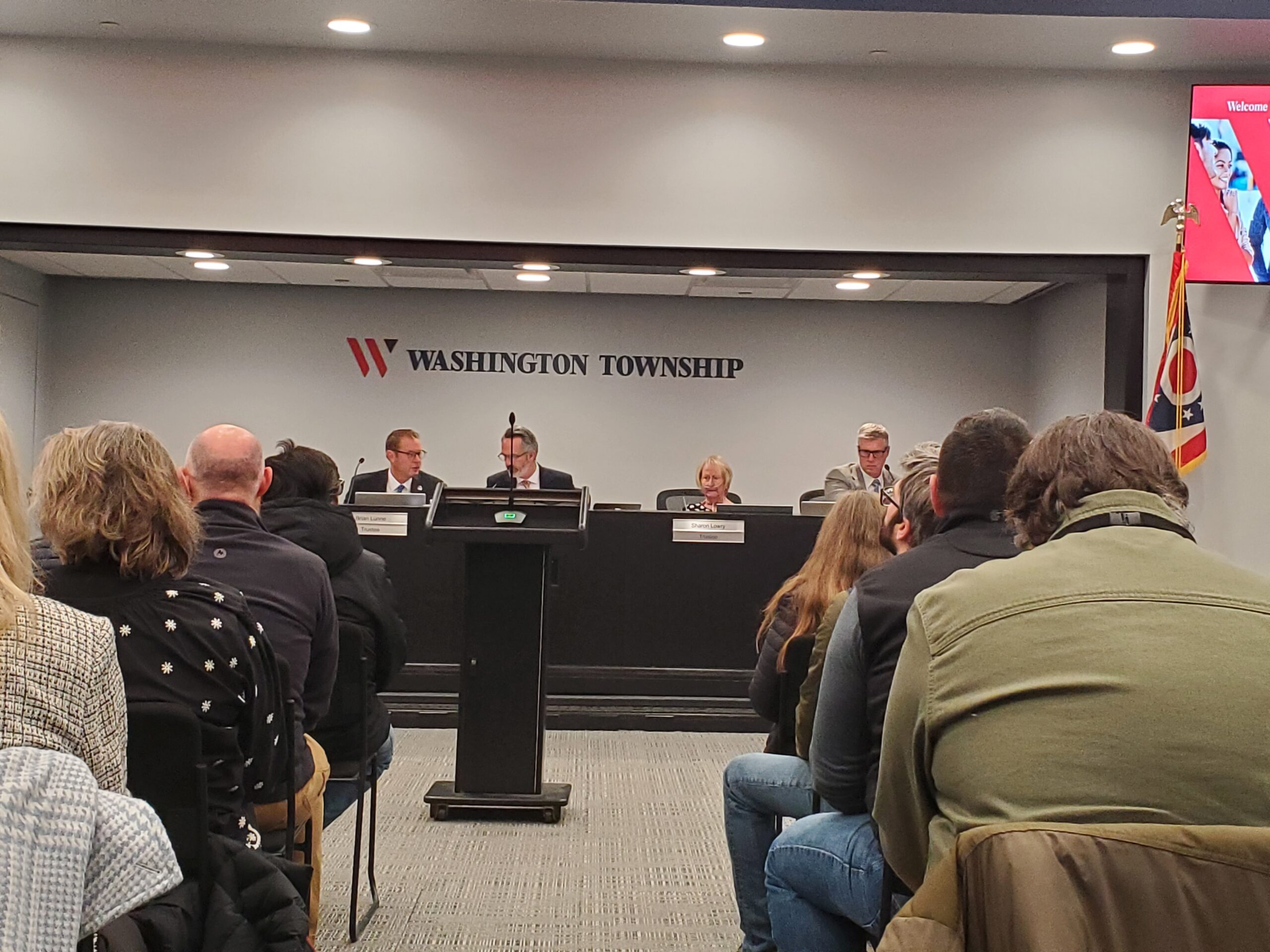
Last night I attended the Washington Township Trustees meeting. I left with mixed feelings — appreciation for civic recognition, but concern about meeting structure and public accessibility.
An Overwhelming Agenda
The published agenda packet totaled approximately 139 pages, while the formal agenda itself was only three pages long. (I printed the three-page agenda only.)
The question that naturally arises is: How much background material is appropriate for public distribution before staff review and committee work are complete?
Transparency is important. However, when background documentation is overwhelming and deliberation happens in real time during a public hearing, it can make the process feel less efficient and less accessible to residents.
Attendance & Employee Recognition
The room was full at the start — approximately 46 residents. That was encouraging.
However, most of those attendees were employees and their families present for the annual service recognition (5–40 years of service). Once the recognition concluded, they left, leaving about 25 residents in attendance.
Recognizing employees publicly is meaningful and well deserved. But it also shifted the dynamic of what appeared to be strong public engagement into something more limited once the regular business began.
Development & Rezoning Discussions
The first major agenda item involved a planned development and rezoning request for a senior facility on Austin Road (89 residential care units and 40 independent living cottages, as listed on the agenda).
After approximately an hour of detailed backstory and discussion — much of which appeared contained within the extensive packet materials — the request was sent back for further evaluation and revision. The phrase used was “looking to approve in spirit,” but additional compliance details are still required.
The next rezoning request (87 residential units on Dayton-Lebanon Pike) was introduced, and a developer presentation began. At that point — more than two hours into the meeting — I had to leave.
A 2+ hour meeting may be standard in some jurisdictions, but from a citizen engagement perspective, it can become difficult for working residents to follow or meaningfully participate.
Process & Structure Concerns
What stood out most was not the projects themselves — development discussions are expected in a growing township.
It was the structure.
The meeting agenda included a 4:45 p.m. pre-meeting workshop for “Review of agenda items” and “Trash Hauler Discussion.”
That raises a reasonable question:
If a workshop was held to review agenda items beforehand, why did the public meeting still require extended, highly detailed staff-level deliberation?
Public hearings are intended for:
- Presentation of proposals
- Public comment
- Trustee deliberation
- Decision
They are not typically the forum for committee-style deep dive evaluation that might be better resolved in advance.
When due diligence feels unfinished during a public hearing, it can unintentionally diminish confidence in the process.
Roberts Rules & Meeting Efficiency
I hesitate to criticize structure lightly, but the flow of motions, extended narrative explanations, and procedural pacing felt unfamiliar with standard meeting efficiency practices.
Whether this reflects new leadership or simply evolving processes, refinement could improve clarity and citizen engagement significantly.
Efficient meetings do not mean rushed decisions. They mean well-prepared decisions.
Final Reflection
I strongly support development discussions being public and transparent. Growth decisions matter. Zoning decisions matter. Infrastructure and density decisions matter.
But accessibility matters too.
Residents should be able to:
- Understand what is being proposed
- Follow the discussion
- Participate meaningfully
- Stay through the meeting without feeling overwhelmed
Two-hour-plus meetings filled with deep background review can discourage participation.
I will continue attending meetings across our communities and sharing observations — both positive and constructive.
Engagement is not about criticism.
It is about ensuring our processes work for residents.