
How Does a $2,200 Tax Bill Cost Someone Their Home?
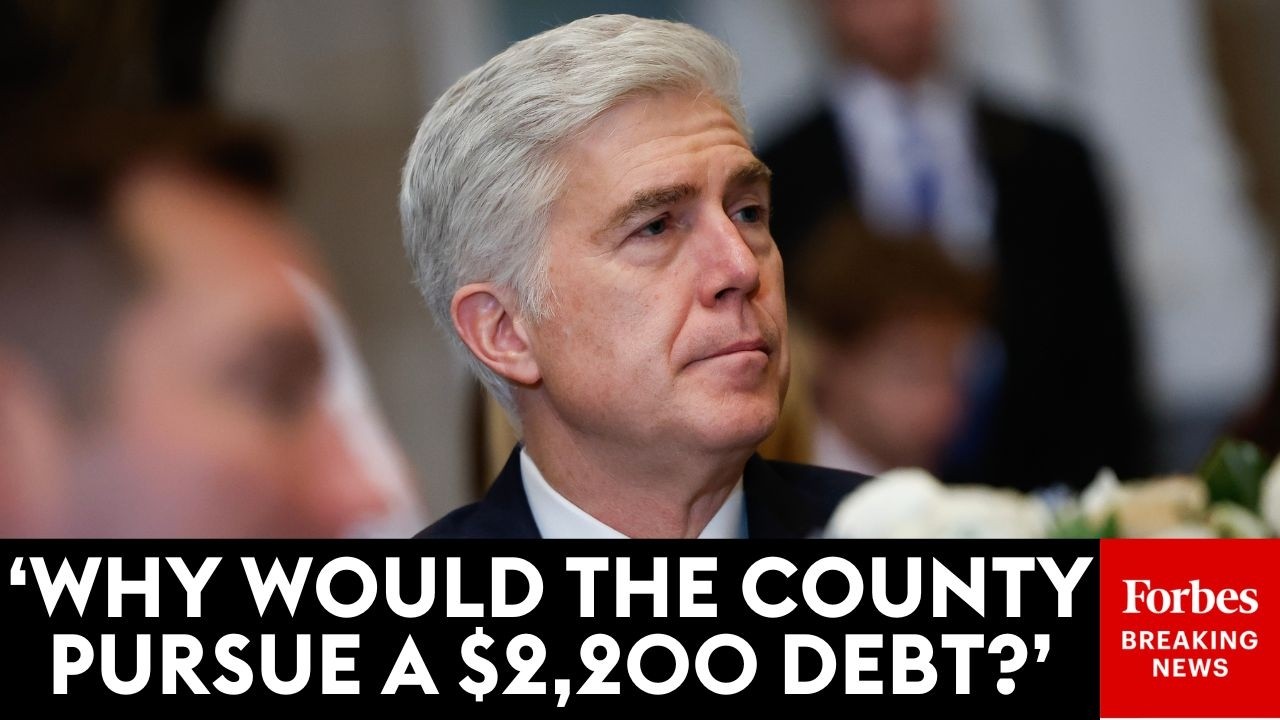
Recently, during a U.S. Supreme Court argument, Justice Neil Gorsuch asked a pointed question in a foreclosure case:
“How did that happen?”
It’s a question every taxpayer should be asking.
In the case before the Court, a homeowner allegedly owed approximately $2,200 related to a property tax issue involving a principal residence exemption. An administrative law judge had previously ruled that the tax was not owed. Yet the county moved forward anyway — ultimately foreclosing and wiping out significant home equity over that relatively small, disputed amount.
Even more striking, when pressed during argument, the attorney acknowledged they could not clearly explain why the county pursued foreclosure so aggressively.
Let that sink in.
We’re not talking about decades of unpaid taxes.
We’re not talking about someone abandoning their property.
We’re talking about a technical dispute — one that had already been ruled in the homeowner’s favor — and a system that still moved forward.
When Process Overrides Fairness
Property taxes fund essential services. Roads. Schools. Public safety. They matter.
But how we administer them matters just as much.
When government action results in the destruction of substantial home equity over a relatively small debt — especially one previously determined not to be owed — that raises serious concerns about proportionality, transparency, and internal review processes.
The issue isn’t whether taxes should be collected. They should.
The issue is whether the system:
- Ensures assessments are accurate
- Provides clear notice and communication
- Allows meaningful opportunity to correct errors
- Applies enforcement in a proportional way
Behind every parcel number is a person. A family. A life’s investment.
When enforcement becomes mechanical and disconnected from reality, trust erodes.
Why This Matters in Montgomery County
As a real estate professional serving our communities for over 25 years, I have seen firsthand how confusing property tax processes can be — especially for seniors, first-time homeowners, and families navigating exemptions or classification changes.
As your next Montgomery County Auditor, my priorities will include:
1️⃣ Strengthening Internal Review Processes
If a resident wins an appeal or administrative ruling, there must be clear safeguards to ensure that decision is properly reflected in the system.
2️⃣ Improving Transparency
Taxpayers deserve straightforward explanations of:
- How exemptions are applied
- How deadlines work
- What appeal rights exist
- What happens before enforcement actions begin
3️⃣ Proportional and Responsible Enforcement
Foreclosure is a last resort. It should never feel automatic, and it should never happen without layered review and accountability.
4️⃣ Responsiveness to Citizen Concerns
When residents raise repeated questions about discrepancies, there should be a clear, documented pathway for review and follow-up.
Asking the Right Question
Justice Gorsuch’s question — “How did that happen?” — is more than a courtroom moment. It’s a reminder of what oversight should look like.
An Auditor must be willing to:
- Ask hard questions
- Examine processes
- Correct systemic weaknesses
- Protect both public revenue and public trust
We can enforce the law and protect taxpayers at the same time.
We can modernize systems without losing compassion.
We can ensure accuracy without sacrificing fairness.
Accountability begins with asking how something happened — and having the courage to fix it.
Montgomery County deserves an Auditor who will.