
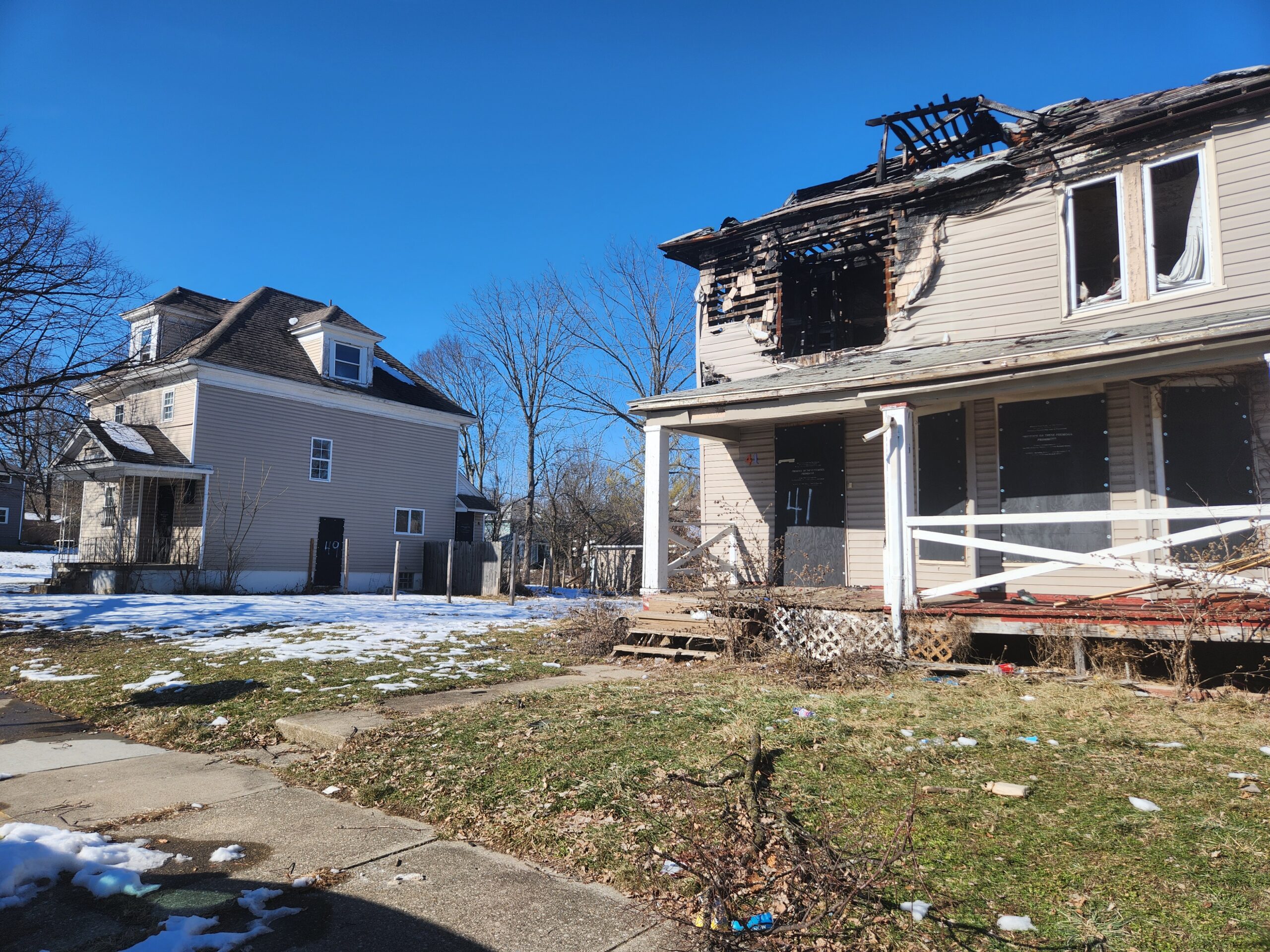
Are We Fully Using Our Community Assets?
Across Dayton and Montgomery County, thousands of vacant lots and distressed properties sit idle.
These vacant properties often generate little or no tax revenue — yet they still require public services, enforcement oversight, and neighborhood maintenance.
That creates an important question:
Before raising property taxes on homeowners, are we fully using the assets already within our community?
How Vacant Lots Impact Property Tax Revenue
When vacant parcels sit unproductive:
- They contribute little to local tax revenue
- They reduce surrounding property values
- They increase enforcement and maintenance costs
- They shift financial pressure onto active homeowners
This is not just a blight issue.
It is a municipal revenue strategy issue.
If thousands of parcels are not contributing to the tax base, that affects how much revenue must be generated elsewhere — often from homeowners whose properties are already maintained and occupied.
Community Asset Management Matters
In any responsible system of local government finance reform, asset management must come before tax increases.
Strong communities in Ohio do not rely solely on tax rates.
They focus on community asset management and redevelopment strategy.
This week, I will outline practical redevelopment and municipal finance solutions that can strengthen Dayton’s tax base — without increasing property tax burdens.
➡ Continue reading: Turning Vacant Land into Revenue in Dayton