
What Can Ohio Learn?
The Florida property tax phase out proposal is moving forward in the state legislature.
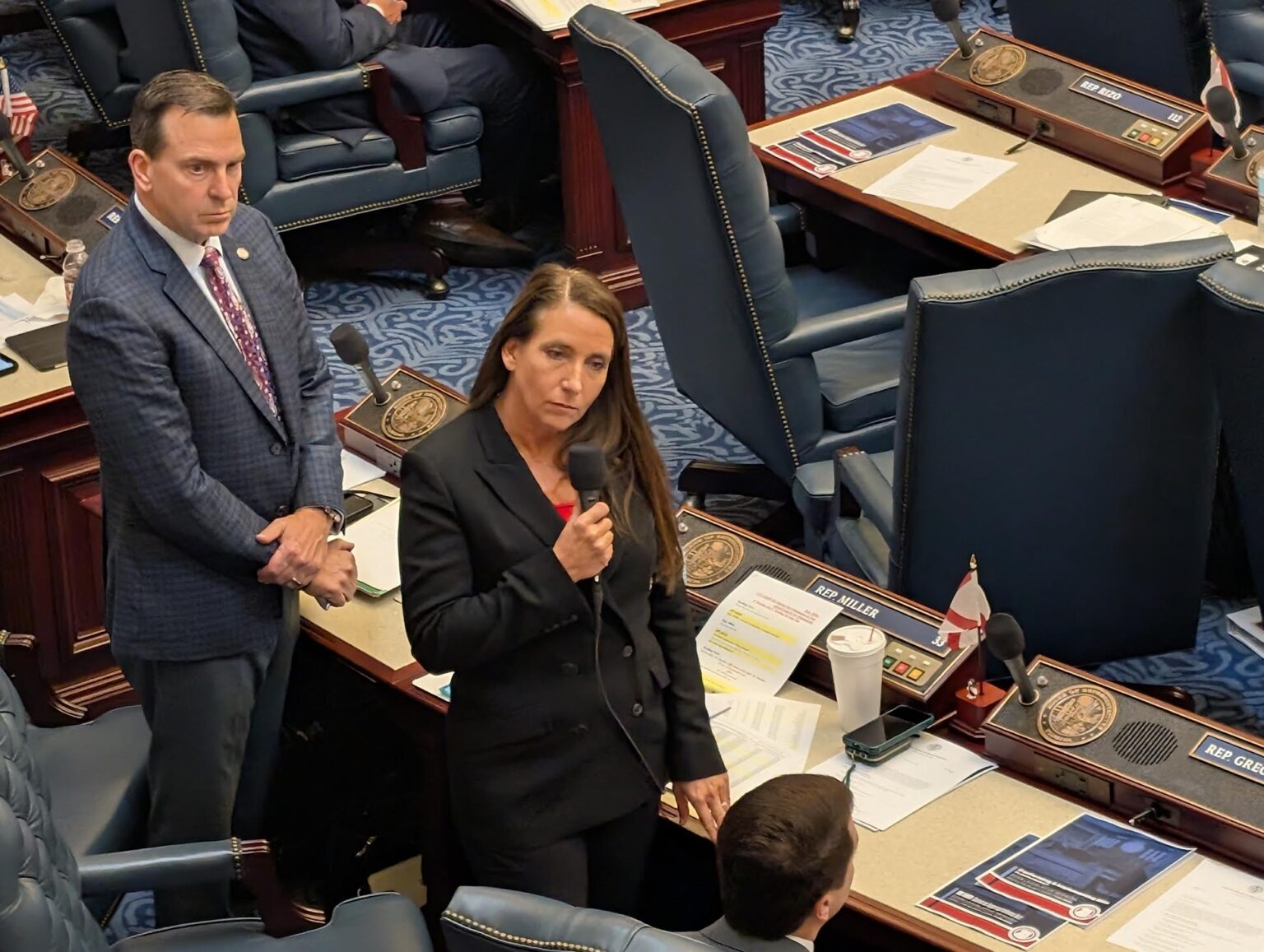
The Florida House has approved a plan that could begin eliminating certain property taxes on homesteaded properties starting January 1, 2027 — if voters approve it.
The proposal is not final.
Before it becomes law:
- The Florida Senate must approve it.
- Florida voters must pass it with 60% support.
However, one thing is clear.
The discussion about eliminating or restructuring property taxes is no longer theoretical.
States like Florida, Ohio, and Texas are now openly debating structural property tax reform.
That makes this proposal worth watching closely.
What the Florida Property Tax Phase Out Proposal Would Do
The current proposal would eliminate non-school property taxes on primary residences.
These taxes currently fund essential local services, including:
- Law enforcement
- Fire departments and EMS
- Infrastructure and roads
- Parks and recreation
- Waste management
- Local government operations
Importantly, school funding property taxes would remain in place.
However, the financial impact is significant.
The estimated reduction in local revenue is roughly $14–15 billion per year.
That level of change represents a major structural shift in how local governments are funded.
Why the Florida Property Tax Phase Out Matters to Ohio
Across the country, concerns about property taxes are growing.
Many homeowners are experiencing:
- Rapid property valuation increases
- Tax bills tied to unrealized home value gains
- Seniors struggling to remain in their homes
- Confusing levy structures
- Municipal budget growth with limited transparency
Because of these concerns, states are beginning to examine alternative revenue models.
The Florida property tax phase out discussion could serve as a real-world test of what large-scale reform looks like.
Ohio policymakers and citizens should pay close attention.
The Real Question Behind Property Tax Reform
The central issue is not simply whether property taxes should be eliminated.
The real question is:
What replaces the revenue?
Local governments rely on property taxes to fund essential services.
Any reform must address critical funding questions, including:
- How will police and fire departments be funded?
- How will infrastructure maintenance be supported?
- How will municipal bonds and debt obligations be backed?
- What stable revenue sources replace property taxes?
- Who ultimately carries the cost — homeowners, renters, businesses, or consumers?
Eliminating property taxes without a replacement plan creates instability.
However, structured reform with clear revenue alternatives can create opportunities for modernization.
What Ohio Can Learn From Florida
If the Florida property tax phase out moves forward, several important developments are likely.
These may include:
- Municipal resistance from cities and counties
- Increased scrutiny from bond markets
- Public debate about service funding
- Credit rating evaluations
- Discussions about public safety funding
By observing these developments, Ohio can evaluate:
- Public response to reform proposals
- Financial impact on municipalities
- Viable revenue replacement strategies
- Political feasibility of similar reforms
Watching the process unfold allows Ohio to prepare rather than react.
Why Preparation Matters
Even if Ohio never fully eliminates property taxes, reform conversations are accelerating.
Across the state:
- Voters are demanding more accountability
- Municipal finance structures are under review
- Housing affordability concerns are increasing
- Property tax burdens are becoming a major political issue
Preparation means understanding both the benefits and risks of reform.
Communities must ensure that essential services remain:
- Safe
- Financially stable
- Transparent
- Accountable
A Measured Approach to Property Tax Reform
Florida’s proposal reflects growing national momentum around property tax reform.
That does not mean every state should move at the same pace.
Instead, responsible leadership requires careful evaluation.
Policymakers and citizens should focus on:
- Accurate government accounting
- Clear municipal spending analysis
- Sustainable revenue alternatives
- Protection of homeowners and seniors
- Long-term financial stability
The Florida property tax phase out debate is only the beginning.
Regardless of the final outcome, states like Ohio have an opportunity to study the process and prepare for future reforms.
Because whether property taxes remain, change, or disappear entirely, the goal must remain the same:
Strong communities, stable finances, and fair taxation.