
Infrastructure, Development & A Smarter Response Model
February 11, 2026
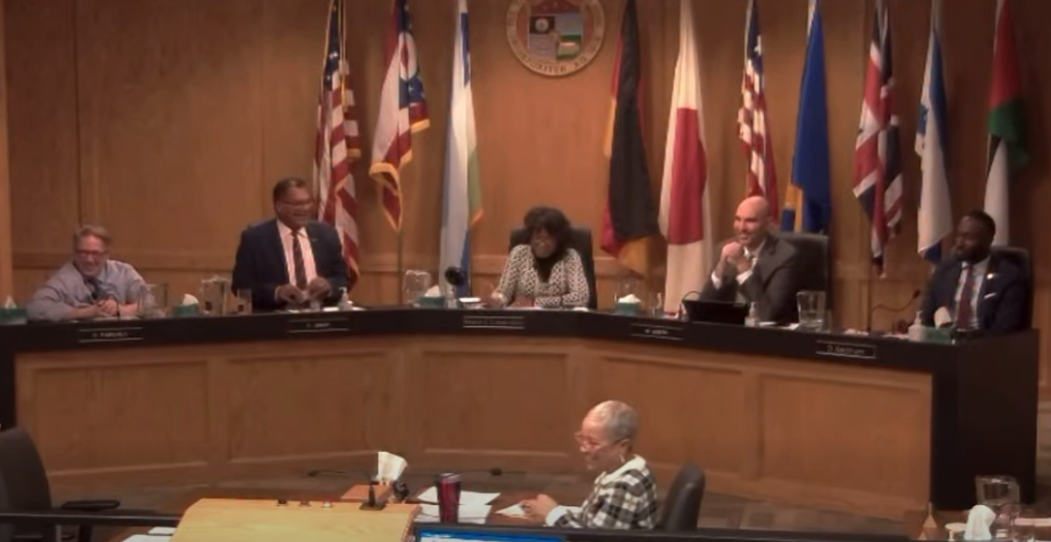
The Dayton City Commission Meeting focused on infrastructure investments, development agreements, and innovative service programs affecting residents across the city.
The session highlighted the operational side of local government — from public works equipment purchases to zoning matters and federal recovery funding decisions.
While these agenda items may appear technical, they represent important decisions involving taxpayer resources, long-term planning, and the structure of city services.
Below is a recap of the key discussions and actions from the meeting.
Infrastructure & Recovery Plan Investments
Commissioners reviewed and approved several items related to infrastructure and federal recovery funding.
Agenda items included:
- Public Works equipment purchases
- Water system equipment acquisitions
- Contract modifications related to the Dayton Recovery Plan
- Development agreements for building improvements
- Regional planning coordination
- Zoning amendments affecting future land use
These decisions involve significant financial oversight and long-term planning considerations.
Infrastructure purchases and contract modifications tied to recovery funding must comply with federal guidelines while ensuring projects deliver tangible benefits to residents.
Observing these decisions in real time highlights how economic development, infrastructure planning, and fiscal management intersect in city government.
Mediation Response Unit (MRU): A Smarter Response Model
One of the most notable discussions involved Dayton’s Mediation Response Unit (MRU).
The MRU program deploys trained civilian responders to address certain non-emergency situations that traditionally might have resulted in police response.
Examples include:
- Mental health related calls
- Homelessness-related situations
- Landlord and tenant disputes
- Social service coordination
Instead of relying solely on law enforcement, the program utilizes professionals and community partners trained to address social and behavioral health challenges.
Potential benefits include:
- Allowing police officers to focus on public safety priorities
- Connecting individuals to appropriate services more quickly
- Reducing repeat emergency calls
- Providing a more targeted and compassionate response
Programs like the MRU represent an evolving approach to public safety and service delivery.
Sustainability of Grant-Funded Programs
The MRU initiative was originally launched using grant funding.
As with many pilot programs, long-term sustainability becomes an important consideration once grant funds expire.
City leaders will likely need to evaluate:
- Program performance and measurable outcomes
- Budget implications for continued operation
- Potential integration into long-term city service structures
Programs that demonstrate measurable success often require thoughtful planning to ensure continued funding and transparency for taxpayers.
Why These Meetings Matter
The Dayton City Commission Meeting on February 11, 2026 demonstrated how much of local government involves steady, procedural decision-making rather than headline moments.
These meetings provide insight into:
- How contracts are negotiated
- How federal recovery funds are allocated
- How development projects are structured
- How new service models are implemented
While these discussions may not always generate major headlines, they represent the detailed work required to keep a city functioning effectively.
Final Thoughts
Attending meetings like the Dayton City Commission Meeting on February 11, 2026 helps reveal the operational mechanics behind city governance.
From infrastructure purchases to innovative programs like the Mediation Response Unit, the meeting reflected both practical management and a willingness to explore modern approaches to public service.
As I continue attending meetings across Montgomery County, my goal remains the same: to observe how communities manage resources, implement programs, and maintain transparency for residents.
Dayton’s meeting highlighted the steady, detailed work that keeps local government functioning — and it will be interesting to watch how initiatives like the MRU continue to develop.