
Real Conversations. Real Solutions. Real Momentum.
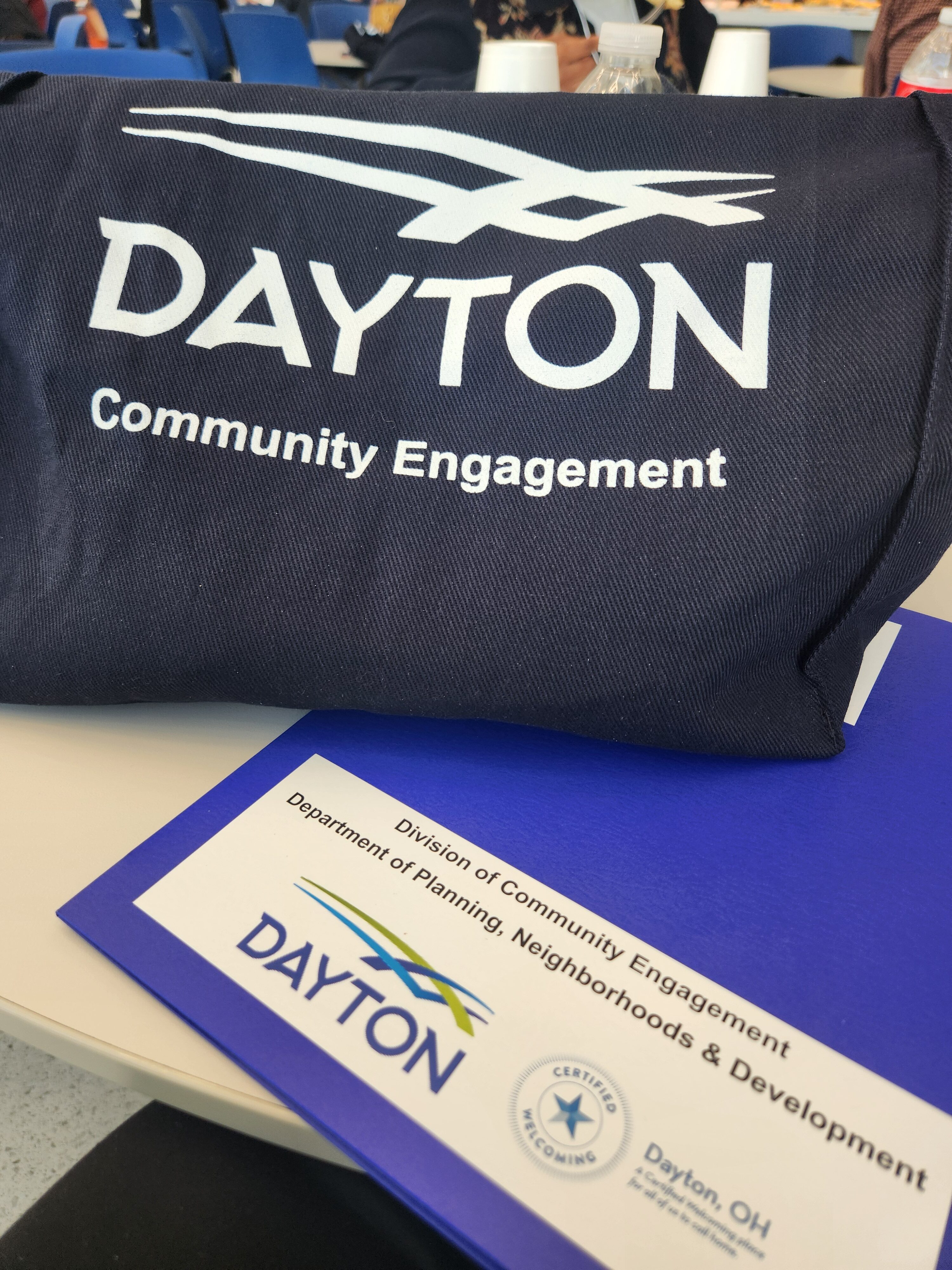
The Dayton Neighborhood Conference started early, but it delivered exactly what our community needs—real conversations, shared ideas, and a focus on solutions.
More than 200 residents, leaders, and community partners showed up ready to engage. Instead of sitting back, attendees leaned into conversations that matter. As a result, the energy in the room felt both positive and purposeful.
Even better, the event created space for people to connect across neighborhoods. That kind of collaboration drives stronger outcomes for everyone.
A Standout Host That Reflects Investment in the Future
The Greater Dayton School hosted this year’s conference, and the setting made an immediate impression.
- A welcoming and thoughtfully designed space
- Natural light and open areas for connection
- Views overlooking Dayton’s riverfront skyline
However, the most powerful part of the experience went beyond the building itself.
Students at the school receive daily support that reflects a deeper level of investment:
- Breakfast, lunch, and dinner provided each day
- A full hour dedicated to wellness and personal development
- On-site access to Children’s Medical services
In addition, the school invests approximately $30,000 per student each year. Philanthropic support, led by Larry Connor, makes this model possible.
Because of that commitment, the school demonstrates what can happen when education, health, and support systems align.
It also raises an important question:
How could ideas like this influence future conversations around education and community investment?
A Morning Built for Engagement
The structure of the conference created real opportunities for participation:
- Registration and early networking
- Breakout sessions focused on real issues
- A resource fair connecting residents to services
- A panel discussion centered on community engagement
- Interactive activities throughout the event
Every part of the day was designed to bring people into the conversation—not just sit and listen.
What Was Being Discussed
Throughout the Dayton Neighborhood Conference, breakout sessions highlighted several important focus areas.
🏘️ Housing & Neighborhoods
Leaders and residents discussed housing conditions, development efforts, and long-term neighborhood stability. These conversations focused on strengthening communities while supporting homeowners.
🚧 Safety & Planning
City representatives shared strategies to improve street safety and reduce risks. In addition, updates on zoning and land use showed how future growth will take shape.
💡 Growth & Opportunity
Speakers outlined economic development projects and explained how neighborhoods can access funding. As a result, attendees gained a clearer understanding of available resources.
🗣️ Community Voice
Participants explored ways to increase engagement and bring more voices into decision-making. This focus helps build trust and stronger neighborhood connections.
📊 Transparency & Tools
Presenters demonstrated tools that allow residents to report concerns and track progress. When people can follow outcomes, accountability improves.
🤝 Partnerships
Organizations shared how collaboration drives results. Strong partnerships continue to support long-term success across Dayton.
A Shared Focus on Connection and Engagement
The panel discussion centered on one key idea:
Connecting people, place, and purpose.
Speakers emphasized the importance of listening, collaboration, and consistent engagement. At the same time, they reinforced the need to align community efforts with real opportunities.
Because of these conversations, one message stood out clearly—progress requires participation.
Why This Matters for Dayton Residents
The Dayton Neighborhood Conference showed what happens when people come together with intention.
Residents are asking questions.
Leaders are sharing information.
Communities are looking for solutions.
As these conversations continue, the focus must remain on clarity, access, and accountability. When residents understand the system, they can engage more effectively.
That is how trust grows.
That is how better decisions happen.
And that is how communities move forward.
Final Thought
Yes, 8 AM came early.
However, the turnout proved something important—people care about their neighborhoods and want to be part of the solution.
When residents, leaders, and organizations work together, progress becomes possible.
That’s where real change begins.